

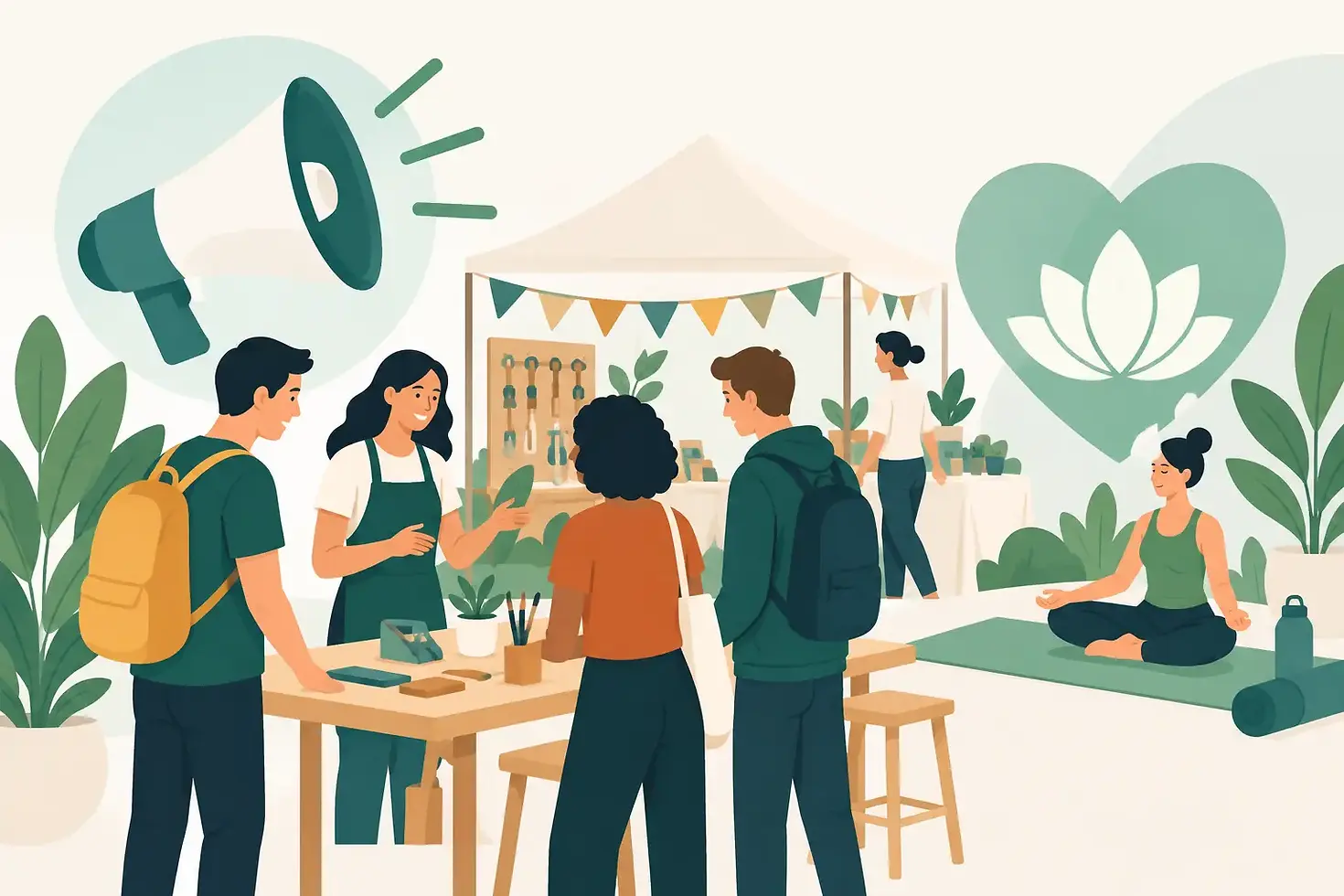
How to Promote Maker Events With Wellness Care
A maker market can feel like a small town for an afternoon: handmade candles, local art, thoughtful conversations, and people who want to buy from real humans. To promote maker events successfully, treat that feeling as the message. Your goal is not simply to fill a room. It is to invite the people who will value the makers, ask good questions, and come back next time.
For wellness-focused vendors, this matters even more. Shoppers may be curious about natural weight-management support, mindful routines, or ways to feel more at ease with daily phone use. They deserve clear information, a calm setting, and no pressure to make a quick decision.
Start With a Clear Reason to Attend
“Local makers under one roof” is a fine start, but it does not tell someone why they should save the date. Give the event a specific, human purpose. Maybe it is an afternoon of self-care gifts, a neighborhood gathering for handcrafted goods, or a market where people can meet small businesses that support everyday well-being.
Choose one central promise and repeat it in every event description. A broad event can still have a focus. For example, a spring market might center on refreshing routines, while a holiday event could emphasize meaningful, useful gifts. This helps attendees picture themselves there before they have seen a single vendor table.
Be careful not to make health claims the centerpiece of the promotion. Wellness products can be part of a market, but they should not carry the event with dramatic promises. A warm, informative tone builds more trust than language about instant transformations.
Promote Maker Events by Showing the People Behind Them
People do not connect with a vendor spreadsheet. They connect with a face, a story, and a reason someone chose to make or share a product.
In the weeks before the event, introduce vendors one at a time. Share what they make, who it may be for, and one detail that makes their work personal. A simple photo of a maker arranging their display can do more than a polished graphic filled with tiny text. Keep each feature easy to read and focused on one idea.
For a wellness vendor, that story might explain a belief in gentle, long-term habits rather than quick fixes. If discussing a patch intended to support reduced cravings over time, say what it is, how it is typically worn, and encourage shoppers to read the instructions. Do not imply guaranteed weight loss or promise results that are not realistic for every person.
The same approach applies to products marketed around phone radiation concerns. Explain how the product is used and what the company says it is designed to do, while leaving room for a shopper to consider their own needs. Clear, respectful language is more persuasive than fear-based messaging.
Make Event Details Impossible to Miss
A lovely event announcement falls flat when people cannot find the date, address, start time, or parking details. Put the essentials at the top of every post, flyer, and email. Repeat them often without apologizing. Most people need to see an invitation more than once before they act on it.
Use the same event name and visual style everywhere so that a person who sees a flyer at a coffee shop recognizes the social post later. A simple color palette, readable type, and a few candid images are enough. The design does not need to be elaborate. It needs to make attendance feel easy.
If the event is outdoors, explain the rain plan. If admission is free, say so. If there will be food, children’s activities, accessibility accommodations, or card payment options, include those details. Practical information removes small barriers that otherwise become reasons not to go.
Give People a Reason to Share
The best promotion gives attendees a way to help without making them feel like unpaid staff. Ask them to bring a friend who enjoys handmade goods, tag someone looking for a thoughtful gift, or share the event with a local group. These invitations work because they are specific.
A giveaway can help, but only if it fits the tone. Consider a modest market gift basket donated by several vendors, rather than a huge prize that attracts people with no interest in the event. You want a room full of curious neighbors, not a crowd that disappears after a drawing.
Build Trust at the Wellness Table
Wellness shoppers are often sorting through conflicting advice. At a maker event, a calm and honest table can be a relief.
Use signage that answers basic questions in plain language: what the product is, how it is used, how long a supply may last, and where people can find the included instructions. Avoid cluttered displays and medical-sounding statements that go beyond what you can support. If a question calls for medical guidance, it is appropriate to encourage the person to speak with a qualified health professional.
For natural weight-management support, frame the conversation around patterns, not perfection. Cravings for sweets and carbohydrates can be part of many people’s routines, and habits often change gradually. A product may be one part of a broader approach that includes satisfying meals, sleep, movement, and patience. It depends on the person, their health history, and what they can realistically sustain.
For phone-use concerns, meet curiosity without amplifying anxiety. Many attendees are looking for practical ways to be more intentional with technology. Alongside any product information, share simple habits such as taking breaks from the phone, using speakerphone when appropriate, and keeping devices away from the bed when possible. Helpful education makes a table feel caring rather than sales-driven.
Create a Gentle Path From Interest to Visit
Promoting an event is not one announcement. It is a sequence of small reminders that builds familiarity.
Begin with a save-the-date message several weeks ahead, followed by vendor introductions and behind-the-scenes updates. In the final week, post the full details again and show what people can expect to find. The day before, keep the message short: where, when, and why it will be worth stopping by.
After the event, thank attendees and makers while the experience is still fresh. Share a few photos with permission, mention a memorable moment, and invite people to watch for the next gathering. This is where a one-time market starts becoming a community tradition.
Email can be especially useful because it reaches people who do not see every social post. Keep it warm and brief. One inviting image, the essential details, and a thoughtful note from the organizer are usually enough. Too many messages can tire people out, while too few leave them unaware that the event is happening.
Partner With Places That Already Have Trust
The right local partners can extend your reach far beyond your own audience. Think about studios, independent bookstores, cafes, community centers, neighborhood groups, and small businesses that share your values. Ask whether they would display a simple flyer or mention the market to customers.
A good partnership should make sense for both sides. A yoga studio may welcome a calm self-care market. A craft store may be a natural fit for a handmade gift event. Do not force a wellness angle into every partnership. Relevance matters more than sheer exposure.
Offer partners a ready-to-use short description and an event image so participating is easy. Then thank them publicly after the event. Relationships are built through follow-through, not one request.
Let the Event Feel Like the Promise
A market promoted as welcoming and mindful should feel that way at the door. Greet people. Leave enough space between tables for conversation. Use signs that help guests find restrooms, exits, and featured areas without having to ask. Even small choices communicate care.
There is no need to turn every maker event into a lesson. Let people browse, enjoy the work, and follow their own curiosity. The most memorable gatherings make room for both discovery and a little breathing space.
When you promote with honesty, clear details, and a genuine appreciation for the people who attend, the right audience will recognize the invitation. That is how a simple market becomes a place people are happy to return to, and happy to tell a friend about.


Comments